Showing posts with label Indiana. Show all posts

Saturday, February 24, 2018

Who Needs To Certify SWPPP Plan? What Certifications Are Needed?

Under State and EPA stormwater permitting rules, a Stormwater Pollution Prevention Plan (SWPPP) may need to be certified. This signed SWPPP Certification is in addition to other types of certifications that may be required. The types of certifications will vary depending on the State and type of permit; in addition to SWPPP Certification, some other types of certifications might include:
  • Non-stormwater Discharge Certification,
  • No-exposure Monitoring Exemption Certification;
  • Heavy Metal No-exposure Certification (in Texas);
  • Annual Site Compliance Certifications;
  • Endangered Species Certifications;
  • Historic Places Certification,
  • Environmental Professional Certification (in Indiana)
  • Certified Stormwater Operator Certification (in Michigan)
  • Others.

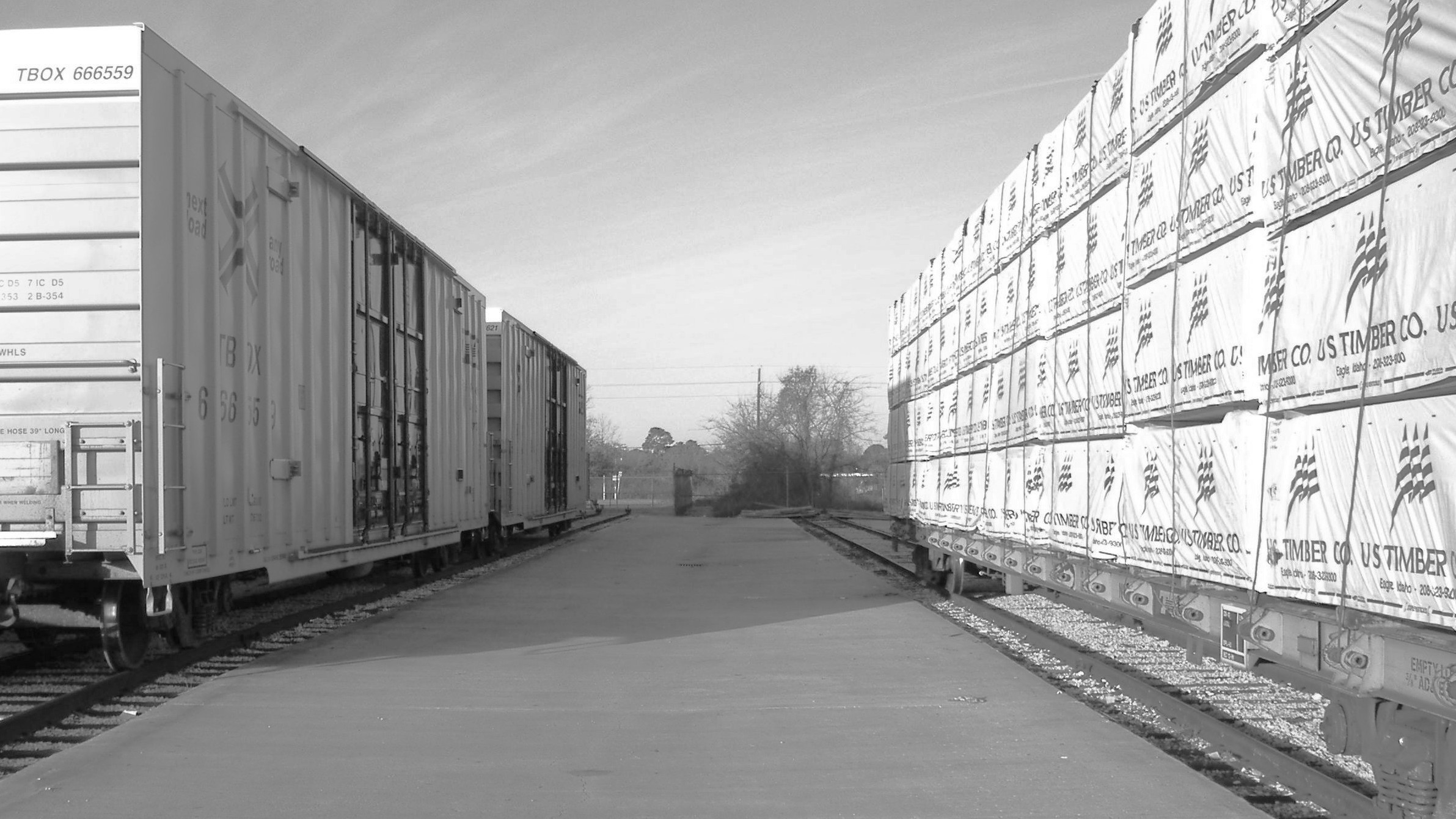
Rail Car Loading Area Covered In SWPPP Inspection

SWPPP Certification – What is Being Certified?

In most cases, the SWPPP Certification statement indicates that the SWPPP has been 1) prepared; 2) implemented and that 3) the SWPPP conforms to the requirements of the discharge permit. The SWPPP Certification generally includes a statement that the information documented is correct. The exact wording and scope of the certification statement will vary from State-to-State, but here is an example: "I certify under penalty of law that this document and all attachments were prepared under my direction or supervision in accordance with a system designed to ensure that qualified personnel properly gather and evaluate the information submitted. Based on my inquiry of the person or persons who manage the system, or those persons directly responsible for gathering the information, the information submitted is to the best of my knowledge and belief, true, accurate, and complete. I am aware that there are significant penalties for submitting false information, including the possibility of fine and imprisonment for knowing violations."
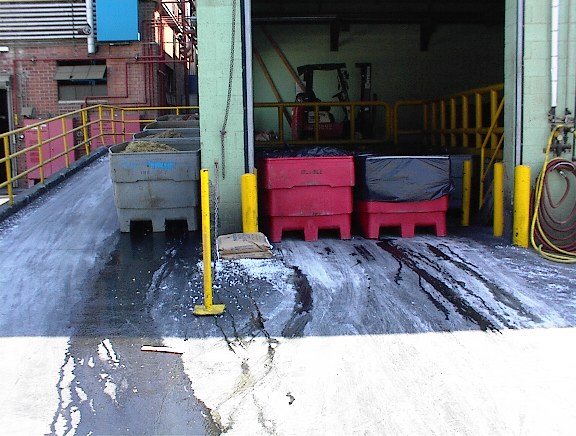
 Non-Stormwater Discharge At Industrial Facility Identified During SWPPP Inspection
Non-Stormwater Discharge At Industrial Facility

Who needs to certify the SWPPP?

In some States (for example, Michigan, Indiana, Connecticut and others), the SWPPP needs to be signed by a certified or qualified environmental professional. In most States, the SWPPP also needs to be signed by a Responsible Company Officer, or his/her duly authorized representative. State or EPA rules will determine who can sign the SWPPP. This SWPPP Certification can be in addition to any certifications needed by a qualified environmental professional.

 For more information on Caltha LLP SWPPP services, go to the Environmental Health & Safety Plan | Spill Plan Information Request Form.

 
Caltha LLP | Your Stormwater Permit, SWPPP 
and Spill Plan Partner

Thursday, November 23, 2017

State Spill Plan, SPCC Plan, Contingency Plan Requirements

Caltha LLP maintains a library of SPCC Plan Templates developed to meet the above ground tank and spill prevention and response requirements of individual States and the Federal SPCC Rule. An SPCC Plan is require for any facility that exceeds an oil storage capacity of 1,320 gallons. Facilities potentially subject to the SPCC Rules (40 CFR 112) are not limited to industrial sites, but can include municipal, commercial, retail, institutional sites, construction sites, and even farms.

Leaking Fuel Tanks And Refueling Area 
Without Properly Sized Secondary Containment


The revised SPCC Rule now allows the use of streamlined SPCC plan formats if facilities meet certain criteria. These streamline SPCC Template plans do not need to be signed by a professional engineer in most States. Other SPCC plans may need to be reviewed and signed by an engineer. Caltha LLP also provides SPCC training for companies subject to the SPCC Rule and conducts SPCC inspections.


Caltha prepares SPCC Plans for the following States: [Click on a State to request information and options]
Alaska SPCC Plan
Arkansas SPCC Plan
California SPCC Plan
Connecticut SPCC Plan
Florida SPCC Plan
Georgia SPCC Plan
Illinois SPCC Plan
Indiana SPCC Plan
Iowa SPCC Plan
Kansas SPCC Plan
Kentucky SPCC Plan
Louisiana SPCC Plan
Maine SPCC Plan
Massachusetts SPCC Plan
Michigan SPCC Plan
Minnesota SPCC Plan
Mississippi SPCC Plan
Nebraska SPCC Plan
Nevada SPCC Plan
New Jersey SPCC Plan
New York SPCC Plan
North Carolina SPCC Plan
North Dakota SPCC Plan
Ohio SPCC Plan
Oklahoma SPCC Plan
Oregon SPCC Plan
Pennsylvania SPCC Plan
South Carolina SPCC Plan
South Dakota SPCC Plan
Tennessee SPCC Plan
Texas SPCC Plan
Utah SPCC Plan
Virginia SPCC Plan
Washington SPCC Plan
Wisconsin SPCC Plan

Monday, October 2, 2017

Warehousing and Logistics Facilities Needed Storm Water Permit And SWPPP


Caltha LLP Project Summary

Project: Industrial Storm Water Permitting & Compliance
Client: International Retailer
Location(s): California, Washington, Utah, Georgia, Florida, Virginia, North Carolina, Pennsylvania, Ohio, Massachusetts, New York, Kansas, Virginia, Louisiana, Texas, Tennessee, Minnesota, Illinois, Indiana, South Carolina, Colorado, Nevada, New Jersey, Connecticut, Missouri

Key Elements: SWPPP preparation, Stormwater monitoring, Compliance plan, Permit application

Overview: Caltha LLP has provided consulting services to this international retailer at multiple logistics and warehousing locations to comply with individual State industrial stormwater rules. Services included preparing facility stormwater pollution prevention plans, preparation of State or EPA application forms (Notice of Intent), preparation of site-specific inspection checklists to comply with individual State inspection requirements, preparation of site-specific stormwater monitoring and benchmark monitoring plans to meet State requirements applicable to this industrial sector. Caltha then provided ad hoc technical support to facilities to address questions during roll-out of the compliance programs.

Leaking Hydraulic System On Trash Compactor 
Contaminates Stormwater Discharge


For more information on Caltha LLP SWPPP services, go to the Environmental Health & Safety Plan | Spill Plan Information Request Form.


Saturday, September 11, 2010

Revised Rule 6 Reporting Forms - IDEM Industrial Storm Water Permit

The Indiana Department of Environmental Management (IDEM) Office of Water Quality has created new state forms for all permitted facilities to complete and submit to meet the annual reporting and stormwater discharge monitoring reporting requirements of Rule 6.

Rule 6 requires each permittee to complete and submit an Annual Report. Annual Reporting is an effective way of ensuring the Storm Water Pollution Prevention Plan (SWP3) is current, potential pollution sources are identified, and Best Management Practices and corrective measures are implemented, properly designed and functioning, and are being maintained. An Annual Report is due no later than 365 days from submitting the Notice of Intent and must contain information obtained during the previous year of regulation. Subsequent annual reports must be submitted no later than 365 days from the previous report in years 2 through 5.

Rule 6 also requires each permittee to conduct annual storm water monitoring. A Storm Water Discharge Monitoring Report is due no later than 365 days from submitting the Notice of Intent. Subsequent annual storm water discharge monitoring reports must be submitted no later than 365 days from the previous report in years 2 through 5. Each year of the permit, permitted facilities are required to collect grab storm water samples from qualified rainfall. The samples must be sent to a lab and analyzed for any pollutant that has the potential to be present in a storm water discharge in addition to the following required 8 sampling parameters:
• pH;
• Oil and Grease;
• Nitrates plus nitrite nitrogen;
• Kjeldahl nitrogen, total (TKN);
• Phosphorous, total;
• Suspended solids, total (TSS);
• Chemical oxygen demand (COD);
• Carbonaceous bio-chemical oxygen demand (CBOD5)

Caltha LLP provides expert consulting services to public and private sector clients nationwide to address Stormwater Permitting & Regulatory Support, Stormwater Pollution Prevention Plans (SWPPP), Stormwater Monitoring and Stormwater Training.

For further information contact Caltha LLP at info@calthacompany.com or Caltha LLP Website